
"French Caribbean agriculture"
200 article(s) found

Introduction to Fine Coffee with complete Flavor, San Pedro Manor, Puerto Rico
In 1898, the Spanish-American War broke out and Spain was defeated. According to the Treaty of Paris, Puerto Rico was ceded to the United States. The administrative jurisdiction of the United States over Puerto Rico first took the form of a military junta. During its two years of governance of the island, the junta established schools, roads, railways, hospitals and health facilities. In 1900, the United States Congress established civilian control over the island. The Governor, the Cabinet and

Dominica Santo Domingo Coffee Flavor and Taste introduction to boutique coffee in manor area
Thousands of Tylenos were demoted to slavery and engaged in gold mining. Due to a series of oppression, hunger and disease, by 1535, the Tino had only 60,000 left. In 1501, King Ferdinand I and Isabella of Spain were the first to allow Caribbean colonists to introduce slaves from Africa. They began to arrive on the island in 1503. [3] in the early days of the Spanish island, the Spaniards were in the new.

Introduction to the flavor and taste characteristics of Dominica coffee manor with rich coffee bean aroma
In December 1492, Christopher Columbus arrived on Hispaniola on his first voyage. On his second voyage there in 1493, Santo Domingo became the capital of the island. [3] thousands of Tainos were demoted to slavery and engaged in gold mining. Due to a series of oppression, hunger and disease, by 1535, the Tino had only 60,000 left. 1501, Spain

Introduction to the characteristics of the manor producing area with a unique flavor of Puerto Rican coffee
In 1898, the Spanish-American War broke out and Spain was defeated. According to the Treaty of Paris, Puerto Rico was ceded to the United States. The administrative jurisdiction of the United States over Puerto Rico first took the form of a military junta. During its two years of governance of the island, the junta established schools, roads, railways, hospitals and health facilities. In 1900, the United States Congress established civilian control over the island. The Governor, the Cabinet and
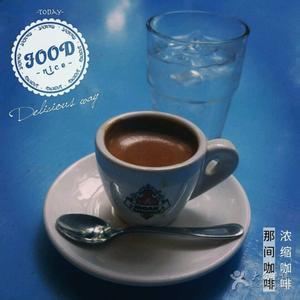
Introduction to the characteristics of Puerto Rican Coffee Flavor Manor with Pure, aromatic and heavy granule
In 1898, the Spanish-American War broke out and Spain was defeated. According to the Treaty of Paris, Puerto Rico was ceded to the United States. The administrative jurisdiction of the United States over Puerto Rico first took the form of a military junta. During its two years of governance of the island, the junta established schools, roads, railways, hospitals and health facilities. In 1900, the United States Congress established civilian control over the island. The Governor, the Cabinet and

Introduction to the flavor and taste of Dominica Santo Domingo coffee with excellent acidity
In December 1492, Christopher Columbus arrived on Hispaniola on his first voyage. On his second voyage there in 1493, Santo Domingo became the capital of the island. [3] thousands of Tainos were demoted to slavery and engaged in gold mining. Due to a series of oppression, hunger and disease, by 1535, the Tino had only 60,000 left. 1501, Spain

Introduction to the flavor description characteristics of pure coffee varieties in San Pedro Manor, Puerto Rico
In 1898, the Spanish-American War broke out and Spain was defeated. According to the Treaty of Paris, Puerto Rico was ceded to the United States. The administrative jurisdiction of the United States over Puerto Rico first took the form of a military junta. During its two years of governance of the island, the junta established schools, roads, railways, hospitals and health facilities. In 1900, the United States Congress established civilian control over the island. The Governor, the Cabinet and

Introduction to the characteristics of Dominica coffee flavor and taste manor area
At the beginning of the 17th century, when French, Dutch and British pirates were operating in the west of Hispaniola, France began to allow farmers and merchants to gradually colonize the western part of the Spanish island, which was blocked by mountains on the island. It didn't attract the attention of the Spaniards in the east. [3] in 1677, about 4,000 French lived in 11 villages in the west of the island. In 1697, France and

Description of Puerto Rican Coffee Flavor with good Compliance and balance introduction to the degree of Baking in the production area of Grinding degree of varieties
Puerto Ricans are the general name of the residents of United States Puerto Rico in Central America and the Caribbean. There are about 3.4 million people (1979). Spanish and English are widely used. More Catholic. The earliest inhabitants of Puerto Rico were Arawak and Caribbean Indians. In 2012, whites of European origin accounted for about 73% of the population, mixed-race people accounted for 23%, and blacks accounted for 4%. There are more than 20,000 Americans and others.

Puerto Rico boutique coffee bean flavor taste manor variety brand introduction
On 6 November 2012, Puerto Rico held its fourth referendum. The referendum consists of two rounds of voting. In the first round, Puerto Ricans voted on whether they wanted to change the status quo in their relations with the United States. 1.8 million people were eligible to vote, 65000 gave up the first round of voting, and 54 per cent of those who took part in the vote supported a change of relationship. Later, Puerto Ricans were like

A brief introduction to the planting situation of Dominican boutique coffee beans, geographical location, climate and altitude
The Dominican Republic is a popular country for travelers. It lives next to Haiti on the island of Hispaniola in the West Indies, Dominica in the west and Haiti in the east. The whitest and softest white sand in the world, the cool sea breeze from the Atlantic and Caribbean and the warm sunshine in the tropics make it a holiday paradise on a par with Maldives and Hawaii.

Introduction to the flavor and taste of Dominica Santo Domingo coffee manor
In 1586, Captain Drake of England led a fleet to attack the city of Santo Domingo, but was repulsed by Spanish troops stationed there. Between 1605 and 1606, towns on the west coast of Hispaniola were often plundered by pirates, causing most of the local population to move inland. [3] at the beginning of the 17th century, French, Dutch and British pirates were operating in the west of Hispaniola, and France began to let farmers

Jamaica Coffee Practice Jamaica Coffee Origin Jamaica Coffee What is the taste
Professional coffee knowledge exchange More coffee bean information Please pay attention to coffee workshop (Weixin Official Accounts cafe_style) The history of Jamaica coffee actually began in France. King Louis XIV of France was interested in promoting coffee in the colonies with the aim of creating a French-controlled coffee source. He got a live plant from the Dutch and planted it in the botanical gardens of Paris.
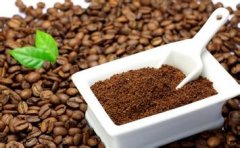
The taste of full-bodied Dominican fine coffee beans grind roasting degree processing method
The Dominican Republic is a favorite country for travelers. It borders Haiti on Hispaniola in the West Indies, Dominica to the west and Haiti to the east. The whitest, softest white beaches in the world, cool ocean breezes from the Atlantic and Caribbean and warm tropical sunshine make it a holiday paradise on par with the Maldives and Hawaii
The Origin of Crystal Mountain Coffee in Cuba
Following caf é (Wechat official account vdailycom) found that the Beautiful Cafe opened a small shop of its own in Cuba Cubita: coffee was introduced to Cuba from Dominica in 1748, and Cuba has been growing coffee ever since. Cuba is an archipelago in the northern Caribbean Sea. With fertile land, humid climate and abundant Rain Water, Cuba can be called a natural treasure land for coffee cultivation. The suitable natural condition is coffee.

Introduction to the description of Manor Flavor by the treatment method of the Grinding degree of Dominican Coffee
L'Or é al arrived in Santo Domingo in 1801. He abolished slavery on behalf of the French government. In 1802, Napoleon sent troops to conquer the whole island and ruled for several months. In October 1802, mixed-race and black people revolted against French rule and repelled the French army in 1803. On January 1, 1804, the rebels declared Santo Domingo independent and established the Republic of Haiti. But be defeated.

Costa Rica La Lajas Coffee Manor introduces how to make coffee with Philharmonic pressure?
For more information on coffee beans, please follow the Coffee Workshop (official Wechat account cafe_style) Costa Rica is bordered by the Caribbean Sea to the east and the Pacific Ocean to the west, as the country's name means in Spanish: fertile shores. Located in the south of SanJos, the capital of Tarasu, Costa Rica is one of the most valued coffee growers in the country. Taara

A brief introduction to the treatment method of grinding degree and baking degree of Dominica boutique coffee beans with excellent acidity
The Dominican Republic is a popular country for travelers. It lives next to Haiti on the island of Hispaniola in the West Indies, Dominica in the west and Haiti in the east. The whitest and softest white sand in the world, the cool sea breeze from the Atlantic and Caribbean and the warm sunshine in the tropics make it a holiday paradise on a par with Maldives and Hawaii.

A brief introduction to the treatment method of grinding degree and baking degree of smooth and smooth Dominican boutique coffee beans
The Dominican Republic is a popular country for travelers. It lives next to Haiti on the island of Hispaniola in the West Indies, Dominica in the west and Haiti in the east. The whitest and softest white sand in the world, the cool sea breeze from the Atlantic and Caribbean and the warm sunshine in the tropics make it a holiday paradise on a par with Maldives and Hawaii.

Introduction to the characteristics of Dominican Santo Domingo Coffee Flavor Manor
In 1795, France and Spain signed the Basel Peace Treaty in Switzerland, agreeing to cede the Santo Domingo area in the eastern part of the island of Dominica to France, making the Spanish island a complete French colony. Six years later, Toussaint Lovidur, a black Haitian, led other black slaves to revolt against French rule and captured Santo Domingo in 1801.